
Thank you for Subscribing to Chemical Industry Review Weekly Brief


Orica
Christopher Stebbins, Head of SHES, Specialty Mining Chemicals
Safety That Starts With Leadership
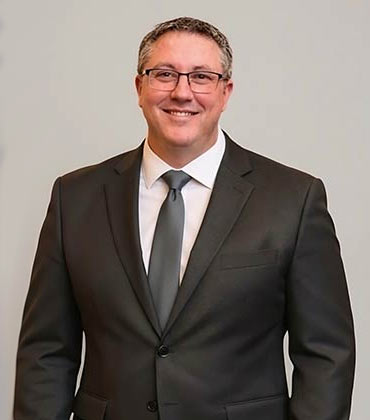
Christopher Stebbins
Christopher Stebbins is a safety leader with hands-on experience in high-risk industries. He focuses on building strong safety habits, managing risks clearly, and guiding teams to make better everyday decisions, ensuring people stay safe while operations run smoothly and responsibly.
My approach to safety leadership has been shaped by direct operational experience and progressively broader leadership roles. Early exposure to frontline operations reinforced the real human consequences of risk and the importance of listening to those closest to the work. As my roles expanded into regional and enterprise leadership, my perspective shifted from individual incidents to systemic risk, underscoring the need for consistent leadership behaviors and disciplined execution. Leading through periods of organizational change further cemented my belief that safety must be embedded in business decisions, not treated as a competing priority. Ultimately, sustainable safety performance is achieved through visible leadership, accountability, and a deep respect for people. Building a Strong Safety Culture The mining and explosives sectors face mounting safety challenges driven by operational complexity, workforce dynamics, and persistent exposure to high‑risk activities. Aging assets, increased reliance on contractors, and the introduction of new technologies can erode core controls if not managed deliberately. At the same time, attracting and retaining experienced talent remains a significant concern. Organizations must respond by reinforcing fundamental risk controls, strengthening leadership accountability, and integrating safety into operational and capital planning.Sustainable safety performance is achieved through visible leadership, accountability, and a deep respect for people.
The articles from these contributors are based on their personal expertise and viewpoints, and do not necessarily reflect the opinions of their employers or affiliated organizations.
